Elegant Card Collection Decorated with Leaves: Design & Applications
Imagine a design element that instantly brings the timeless beauty of nature into your creative projects. A well-crafted Card Collection Decorated with Leaves offers precisely that, blending organic elegance with modern graphic design principles to create assets that are both versatile and visually compelling.
The Role of Natural Elements in Modern Design
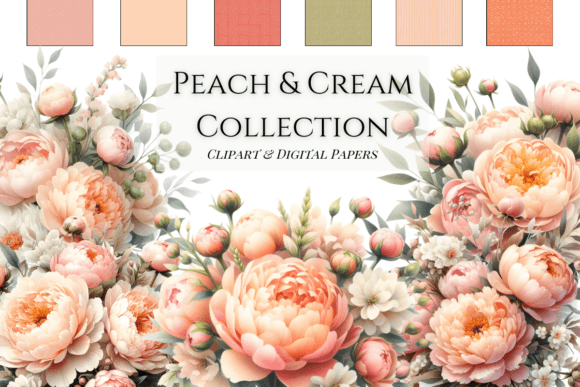
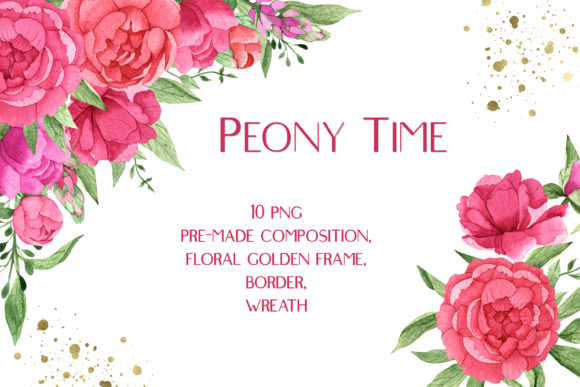
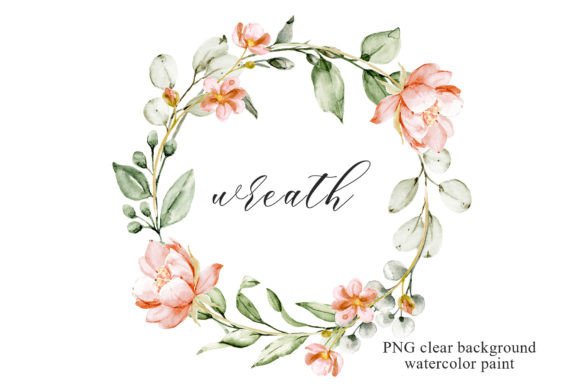
In today's digital and print landscapes, incorporating natural motifs like leaves and botanicals does more than just decorate—it communicates. These elements tap into a universal appreciation for nature, evoking feelings of freshness, growth, and tranquility. For designers and creators, this translates into powerful visual communication. A collection featuring hand-painted bouquets and leaf accents can significantly strengthen a brand's identity, making it feel more approachable, authentic, and connected to the environment. This approach aligns perfectly with current design trends that favor organic textures and earthy color palettes.
Practical Applications Across Creative Projects
The true value of such a collection lies in its adaptability. It serves as a foundational creative asset for a wide array of projects, streamlining the design workflow while ensuring a cohesive and professional presentation.
- Brand Identity & Marketing: Use the elegant leaf patterns as background textures for business cards, letterheads, or presentation templates to add a layer of sophistication. The motifs can subtly reinforce a brand's story in social media graphics or digital advertising campaigns.
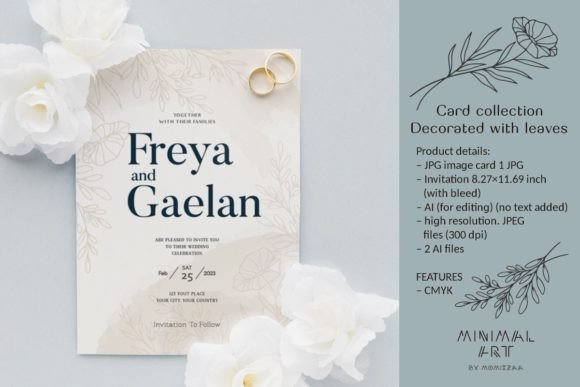
- Event Stationery & Invitations: This is where the collection excels. The charming, hand-painted style is ideal for crafting wedding invitations, save-the-date cards, birthday party banners, and Valentine’s Day planners. The designs are pre-formatted for common sizes, like the 8.27×11.69 inch invitation, making DIY projects efficient.
- Editorial & Packaging Design: Integrate these botanical elements into magazine layouts, book covers, or product packaging. They create beautiful visual hierarchy, drawing the eye without overwhelming the primary message or typography.
- Digital Products & Web Design: Beyond print, these assets enhance website headers, blog post graphics, and downloadable planners. Their high-resolution (300 dpi) quality ensures they look sharp on screen, contributing to a polished user experience (UX).
Tips for Effective Implementation
To maximize the impact of botanical design assets, consider these practical guidelines for selection and use.
Prioritize Editability and Quality. Always opt for files that offer flexibility, such as AI (Adobe Illustrator) formats. This allows you to customize colors, scale elements without loss of quality, and integrate them seamlessly into your existing design systems. Ensure the files are in CMYK color mode for reliable print results, acknowledging that screen colors may vary slightly from printed output.
Maintain Visual Consistency. When building a brand identity or a series of materials, use the leaf and floral motifs consistently. Stick to a cohesive color palette derived from the collection to unify disparate pieces like a wedding invitation suite, social media posts, and thank-you cards.
Balance is Key. The goal is to enhance, not overshadow. Use the decorative elements to frame text, create subtle backgrounds, or add accents. A strong visual hierarchy ensures your core message—whether it's event details or a brand name—remains clear and readable. The "no text added" feature in such collections gives you full control over typography pairing, a critical aspect of professional graphic design.
Ultimately, thoughtful design choices elevate communication. Investing in high-quality, versatile creative assets like a botanical card collection empowers you to produce work that is not only beautiful but also strategically effective, strengthening both aesthetics and audience connection across every touchpoint.